Entertainment
Why Nostalgia Reboots Are Losing Steam: Audiences Crave Fresh IP Over Familiar Franchises
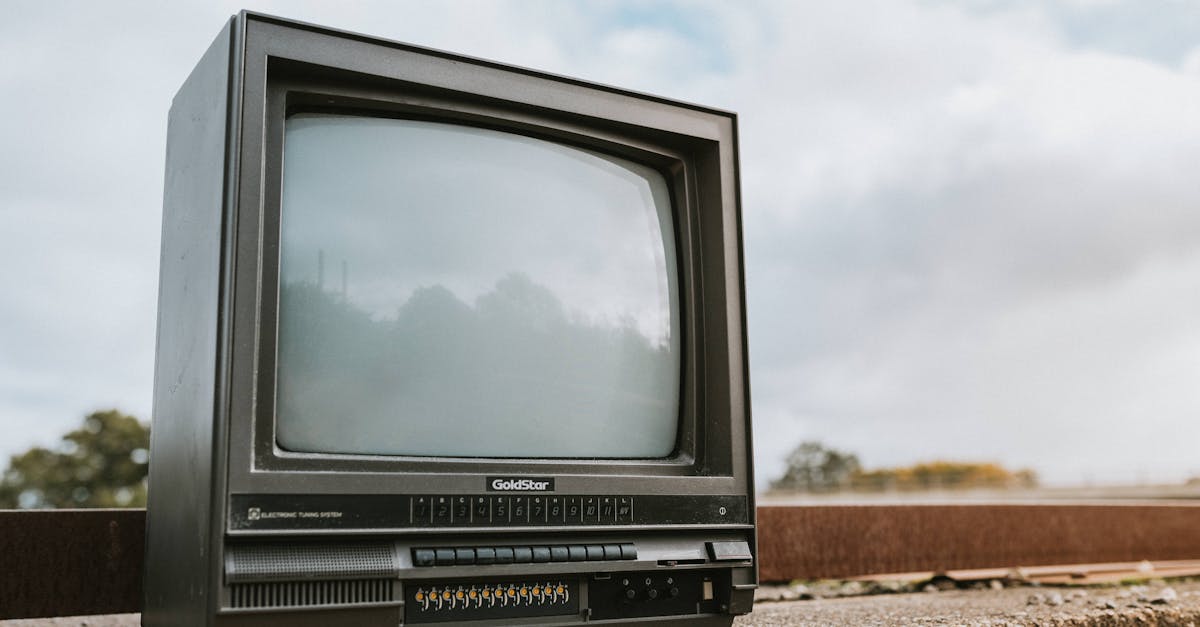
I remember the exact moment nostalgia broke for me. I was sitting in a dark theater, watching a beloved childhood franchise return to the big screen for the fourth time in five years. The CGI was polished. The callbacks were plentiful. And I felt absolutely nothing.
I leaned over to my friend and whispered, "Why am I not excited?"
She shrugged. "Because you've seen this movie three times already."
She wasn't wrong. But it wasn't just about repetition. It was deeper than that. **Audiences are finally realizing that nostalgia reboots aren't serving us anymore — they're serving corporate quarterly reports.**
Here's the truth most people miss: we don't actually want to relive our childhoods. We want to **feel something new** that reminds us of how we felt *then*. There's a difference, and the entertainment industry is only starting to catch on.

## The Law of Diminishing Nostalgia Returns
Let's be real: the first few reboots hit different. When *Star Wars: The Force Awakens* dropped in 2015, that was pure dopamine. Seeing the Millennium Falcon again? Han and Chewie? That worked because we'd waited a decade. The well was dry.
But now? We're drowning.
I've found that **nostalgia has a shelf life**, and studios are treating it like it's infinite. Every month brings another announcement: *Harry Potter* TV series, another *Ghostbusters*, another *Scream*, another *Jurassic World* (yes, they're making more). At this point, I'm surprised they haven't rebooted *The Blair Witch Project* as a TikTok series.
Here's why the formula is breaking:
1. **Overexposure kills magic** — The more you revisit a world, the less special it feels
2. **Creative bankruptcy becomes obvious** — Audiences can smell a cash grab from a mile away
3. **Nostalgia fatigue is real** — We've been fed our own memories for so long, we're sick of the taste
The numbers back this up. Box office returns for legacy sequels are becoming more volatile. *Indiana Jones and the Dial of Destiny* underperformed massively. *The Flash* (a nostalgia buffet) was a spectacular flop. Even *Ghostbusters: Afterlife* — which I actually enjoyed — didn't set the world on fire.
**The well is running dry, and studios are still digging.**
## Why Fresh IP Feels Like a Breath of Fresh Air
Remember when *Everything Everywhere All at Once* came out? That movie had zero pre-existing brand recognition. No toys from the '80s. No beloved characters from your childhood. And it became a cultural phenomenon.
Why? Because **fresh IP gives us something we didn't know we wanted.**
I think that's the secret most executives miss. We don't know what we're hungry for until someone serves it. *Barbie* worked not because of nostalgia (though it helped) but because it was a genuinely original take. *Oppenheimer* was a three-hour biopic with no explosions and it made a billion dollars. *The Bear* became a hit without a single superhero.
Here's what I've noticed: when audiences engage with new IP, there's a different energy. We're not comparing it to something from 20 years ago. We're not wondering "is this as good as the original?" We're just *experiencing* it.
**There's freedom in the unfamiliar.** And right now, audiences are starved for that freedom.
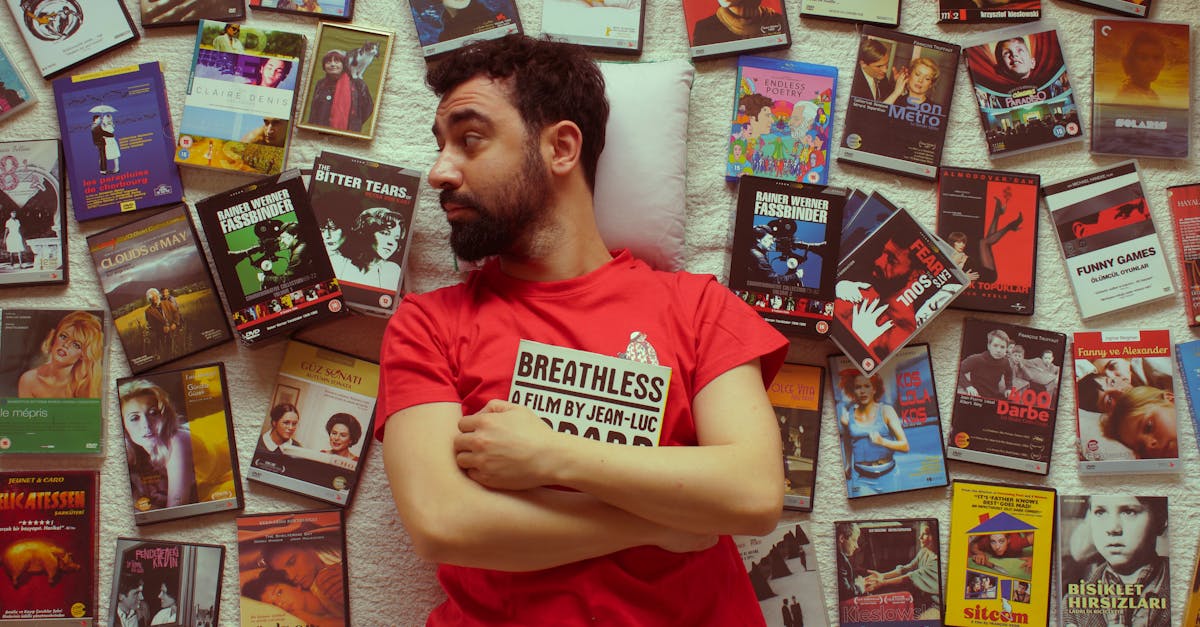
## The 3 Things Audiences Actually Want (Hint: It's Not More Sequels)
I spend way too much time reading comments sections and Reddit threads about entertainment. It's my job, but also my guilty pleasure. And after years of absorbing this stuff, I've noticed a pattern. People aren't asking for more reboots. They're asking for:
1. **Original ideas with genuine stakes** — We want to wonder if the hero will survive, not know they'll be fine because there are five more prequels planned
2. **Creative risk-taking** — Give us something weird. Give us something that could fail. *Everything Everywhere* was a multiverse movie, but it was *weird* in a way no Marvel movie dares to be
3. **Stories that end** — This is a big one. Audiences are exhausted by endless universes. We want a beginning, middle, and end. *Stranger Things* works because people know it's ending. *Game of Thrones* fell apart partly because it refused to stop expanding
I'll be honest: **studios are addicted to safe bets**. And safe bets are killing creativity. When you greenlight a project based on "brand recognition" rather than "is this story worth telling?", you're already losing.
## The Streaming Effect: Why Nostalgia Works in Small Doses
Let me offer a counterpoint, because I'm fair like that.
Nostalgia *can* work — but only when it's done right. And "right" usually means small, contained, and unexpected.
Look at *Cobra Kai*. That show worked because it took a ridiculous premise (what if the bully from *Karate Kid* was the protagonist?) and treated it with genuine heart. It wasn't a nostalgia parade. It was a **new story using old characters**.
Or look at *Top Gun: Maverick*. That movie succeeded because it didn't just repeat the original. It advanced the story. It gave Maverick an arc that felt earned. And crucially, **it didn't overstay its welcome**.
Here's the difference: *Maverick* was one movie. *Cobra Kai* is a series that knows when to end. Compare that to the *Fast & Furious* franchise, which is now on its tenth installment and has characters who've literally been to space.
**Nostalgia works in small doses, like hot sauce. Pour the whole bottle and you ruin the meal.**
## The Future: Where Fresh IP Will Thrive
I'm actually optimistic about where things are heading. The data is starting to speak louder than the PowerPoint presentations.
Streaming services are taking more swings on original content because they're realizing that **you can't build a library on nostalgia alone**. Netflix's *The Three-Body Problem* (adaptation, but not nostalgia-driven), Amazon's *Fallout* (gaming adaptation done right), and Apple TV+'s entire model is built on fresh storytelling.
Here's what I think will happen in the next 2-3 years:
- **More mid-budget original films** — The success of *Oppenheimer* and *Everything Everywhere* has proven that adults will show up for non-franchise content
- **Nostalgia will become more targeted** — Studios will stop trying to make everything a universe and instead focus on single, quality entries
- **Gaming adaptations will lead the way** — *The Last of Us* and *Fallout* showed that adaptations work when they respect the source material and tell a fresh story within that world
- **Audiences will reward originality** — We're already seeing this. Films with unique premises are overperforming expectations
The bottom line? **The nostalgia bubble is deflating, and that's a good thing.** We're entering an era where the question won't be "what can we reboot?" but "what can we create?"
And honestly? I can't wait.
---
So here's my challenge to you: the next time you see a trailer for another reboot of something you loved in the '90s, ask yourself — do I actually want this? Or am I just feeling the reflex to recognize something familiar?
Because the most exciting movies of the next decade haven't been announced yet. They haven't been written yet. They don't have a recognizable logo or a legacy character.
**They just have a story worth telling.**
And that's exactly what we need.
142 views